Best overall for ordinary daily driving: vehicle-compatible ceramic pads. Best for vehicles whose brake specifications call for metallic friction material: semi-metallic pads. Best for retaining a factory organic-pad setup: non-asbestos organic pads. This 2026 guide helps you choose the material, then arrange a brake inspection with Pro Touch Auto Repair before buying parts.
- For best brake pads for daily driving Broken Arrow searches, prioritize vehicle fit and manufacturer specifications over material alone.
- Ceramic pads suit everyday drivers who prioritize quieter braking and less visible wheel dust, when vehicle specifications allow.
- Semi-metallic pads suit applications requiring that friction material; towing suitability depends on the vehicle, not the label.
- Pro Touch Auto Repair provides brake services in Broken Arrow; an inspection should come before a pad recommendation.
Why this matters
A brake-pad label cannot tell you why your car squeals, pulls, or shakes. Worn pads are one possibility; rotor condition, sticking brake hardware, tire problems, and other faults need different repairs.
Choose the repair before choosing the pad. For a Broken Arrow driver shopping in 2026, the useful question is not which box sounds toughest. It is which pad meets the vehicle's requirements and suits how you actually drive.
Pro Touch Auto Repair is a brake-service option for Broken Arrow vehicle owners who need diagnosis before choosing replacement parts. The shop's stated services include brakes, diagnostics, and suspension work; this guide does not represent a list of pad brands it carries.
What makes the best daily-driving brake pads?
Use these criteria before comparing materials. A pad that wins on cleanliness still loses if it does not belong on your vehicle.
- Correct fit: Match the vehicle's year, model, brake package, and axle. Different brake packages can use different pads on otherwise similar vehicles.
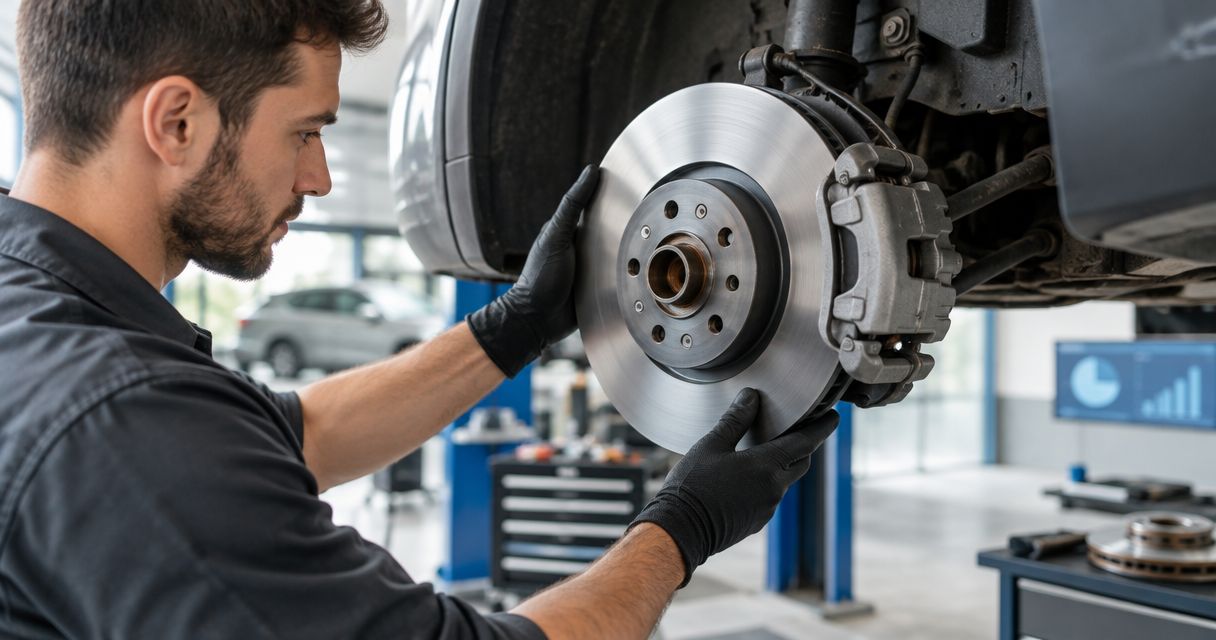
- Required friction characteristics: Follow the vehicle manufacturer's requirements. Friction material is the part of the pad that presses against the brake rotor to slow the wheel.
- Predictable everyday braking: Consider ordinary starts, stops, and cold operation—not just claims about demanding use.
- Noise and dust: Decide how much you value quiet stops and clean wheels, without putting either ahead of correct braking performance.
- Whole-system condition: Check rotors, calipers, and mounting hardware. A caliper is the assembly that presses the pads against the rotor.
- Actual driving demands: Explain regular towing, heavy loads, or repeated downhill braking. Do not treat an occasional highway trip as a reason to change the specified pad type.
Daily-driving brake pads at a glance
These are material categories, not ranked product brands. Individual formulations differ, and a material name alone does not establish performance.
| Rank and option | Best for | Main advantage | Main limitation |
|---|---|---|---|
| 1. Ceramic pads | Compatible passenger vehicles used for routine commuting | Typically less visible dust and quieter operation | Not the correct replacement for every brake system |
| 2. Semi-metallic pads | Vehicles specifying metallic friction material | Heat transfer and suitability for demanding applications when specified | Typically more noise and visible dust than ceramic formulations |
| 3. Non-asbestos organic pads | Vehicles retaining an appropriate organic-pad specification | Generally quiet operation with a softer friction material | Wear and sustained-heat tolerance can limit suitability |
There is no universal winner for every vehicle in Broken Arrow. A correct semi-metallic pad beats an incompatible ceramic pad, regardless of the ranking above.
1. Ceramic pads: best for everyday comfort and cleaner wheels
Ceramic brake pads use ceramic-based friction materials with other ingredients. Many daily-driving formulations emphasize quiet operation and dust that is less noticeable on wheels than the dust from metallic pads.
For a compatible commuter car, those characteristics make ceramic pads a practical starting point. They do not prove that a particular pad stops your vehicle better, lasts longer, or suits towing.
Ceramic pads pros
- Typically produce less visible wheel dust than semi-metallic alternatives.
- Often suit drivers who put quiet everyday braking high on their list.
- Offer a useful daily-driving choice when the replacement application permits ceramic material.
Ceramic pads cons
- Ceramic is not a universal substitute for the vehicle's specified friction material.
- The category name does not establish stopping distance, wear life, or performance under sustained heat.
- New ceramic pads cannot correct a sticking caliper, damaged rotor, or improperly fitted hardware.
Best for: Drivers of compatible passenger vehicles who want ordinary commuting comfort rather than a change in brake-system capability.
Before choosing ceramic pads in 2026, tell the shop whether your main complaint is dust, noise, vibration, or weak braking. Those are different buying questions, and only some are answered by changing friction material.
Verdict: Buy ceramic pads for compatible daily-driving applications; skip an unsupported material conversion.
2. Semi-metallic pads: best for specified metallic applications
Semi-metallic pads contain metallic ingredients mixed with other friction materials. Their ability to conduct heat is one reason they appear in applications with demanding braking requirements.
The important distinction is application, not toughness. A truck used for towing needs pads selected for its brake system and intended use; a semi-metallic label alone is not proof of towing suitability.
Semi-metallic pads pros
- Conduct heat through their metallic ingredients.
- Provide the appropriate replacement category where the vehicle specification calls for metallic friction material.
- Offer application-specific choices for vehicles with more demanding braking duties.
Semi-metallic pads cons
- Typically create more visible wheel dust than ceramic formulations.
- Can produce more operating noise, depending on formulation and installation.
- Do not increase the vehicle's permitted towing capacity or solve an overloaded setup.
Best for: Owners whose vehicle requirements support semi-metallic pads, especially when the shop must account for regular loads or demanding braking use.
Describe what you tow and how you use the vehicle rather than asking for the strongest pads. The shop needs to match the replacement to the braking system, not simply choose the material that sounds most heavy-duty.
Verdict: Buy semi-metallic pads when the vehicle specification and your use support them; skip choosing by label alone.
3. Non-asbestos organic pads: best for suitable factory-style setups
Non-asbestos organic pads, often shortened to NAO, use a blend of non-asbestos friction ingredients held together with binders. These formulations generally favor quiet operation and a softer friction material.
They belong on this list because an appropriate replacement does not always require switching materials. If the vehicle's application supports organic pads, retaining that type deserves consideration rather than an automatic upgrade pitch.
Non-asbestos organic pads pros
- Generally provide quiet operation.
- Use a softer friction formulation than many metallic alternatives.
- Remain a relevant choice where the vehicle's replacement specification supports organic material.
Non-asbestos organic pads cons
- Softer formulations can wear faster under demanding use.
- Sustained heat can limit their suitability compared with application-specific alternatives.
- Organic material is not a default recommendation for towing or repeated hard braking.
Best for: Drivers maintaining a compatible factory-style organic-pad setup without asking the brakes to handle a different duty.
Ask why organic pads suit your particular vehicle. A clear application-based answer matters more than a broad claim that one material is always better.
Verdict: Buy non-asbestos organic pads for supported applications; skip them as a generic heavy-use recommendation.
What brake symptoms should change your next move?
Do not order pads first and try to make the symptoms fit afterward. Start with what the vehicle does, when it happens, and whether braking control has changed.
- Squealing: Report whether it happens only during braking, after sitting, or throughout a drive. Noise alone does not identify the failed part.
- Grinding: Arrange prompt inspection. Grinding can involve worn friction material or other contact that needs attention.
- Shaking during braking: Ask for diagnosis of the braking system rather than assuming new pads will remove the vibration.
- Pulling: Brakes are one possible cause, but tire and suspension conditions also need consideration.
- A soft or sinking pedal: Stop treating this as a pad-shopping question. The hydraulic system—the fluid-operated system that applies the brakes—needs attention.
If stopping ability is reduced, the pedal sinks, or you see a suspected brake-fluid leak, stop driving and arrange assistance. Do not make a test trip to see whether the problem clears.
For less urgent complaints, write down the conditions without deliberately recreating a dangerous situation. Useful details include whether the vehicle was cold, whether the pedal pulsed, and whether a warning light appeared.
How to choose a brake repair shop in Broken Arrow
In 2026, compare the repair explanation, not just the pad description. Pro Touch Auto Repair offers brake services, but the same questions belong in any conversation with a mechanic in Broken Arrow.
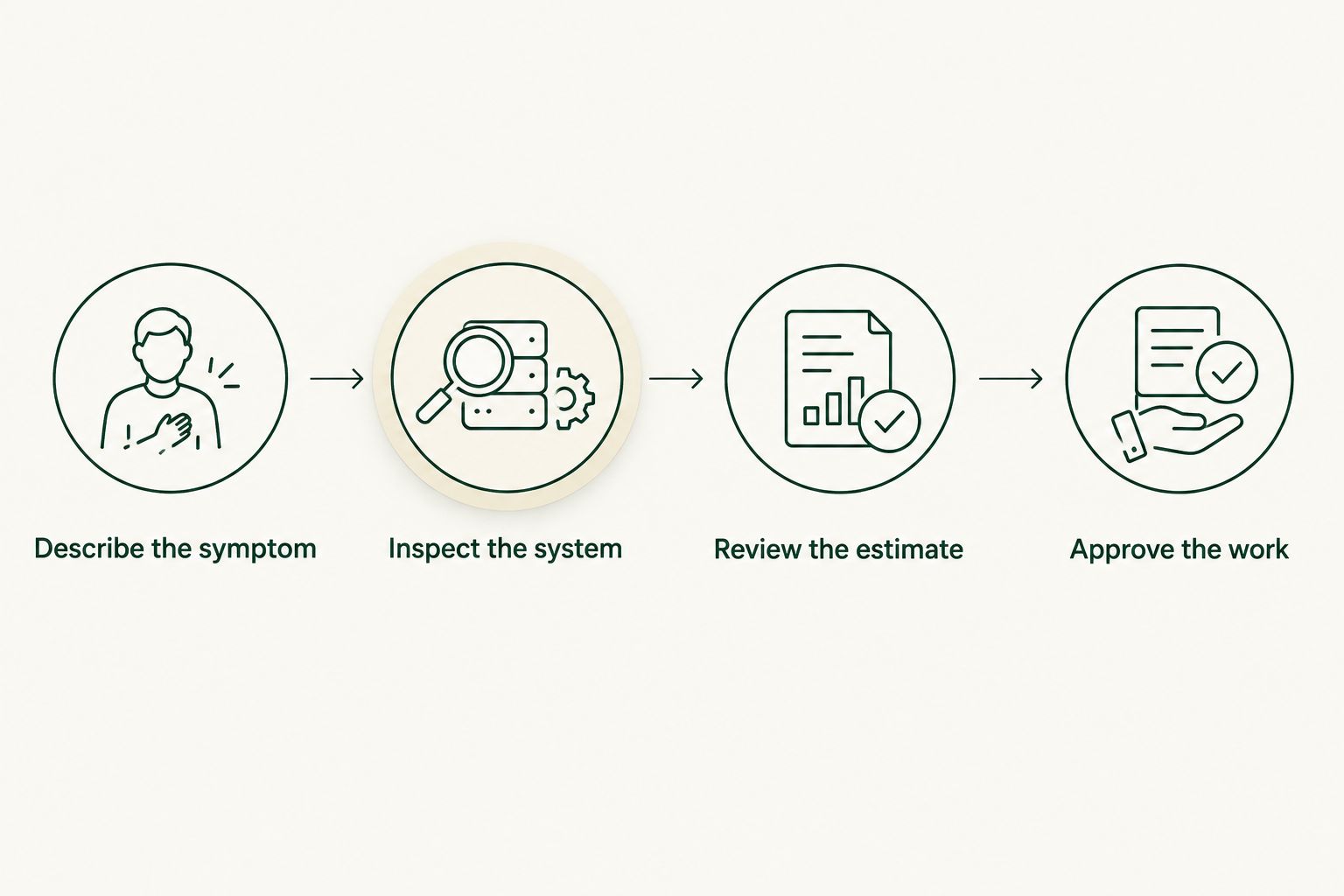
Describe the symptom
Explain what you hear or feel and when it started. Mention recent tire work, brake repairs, impacts, or changes in driving use if they apply.
Inspect the system
Ask the shop to inspect pad wear, rotor condition, caliper operation, and relevant hardware. Uneven wear deserves an explanation; replacing the worn material without addressing the cause leaves the diagnosis unfinished.
Review the estimate
Request a written, itemized estimate that separates pads, other parts, and labor. Ask which work addresses the reported problem and which work is an additional recommendation.
Approve the work
Agree on the repair scope before authorizing it. Ask how the shop handles additional findings, and request any applicable warranty terms in writing rather than assuming coverage.
A useful repair explanation connects the finding to the proposed work. You should understand why the recommended pad fits your vehicle and why any rotor, caliper, or hardware work belongs on the estimate.
Start with a brake inspection
Discuss brake symptoms and repair needs with Pro Touch Auto Repair in Broken Arrow.
How the brake-pad choices are ranked
This 2026 ranking puts application fit first, then everyday noise and dust, followed by suitability for the vehicle's workload. It is a buying guide to material categories, not a stopping-distance test or a claim about specific manufacturers.
Ceramic takes the default commuting slot because its typical comfort and cleanliness characteristics match that question. Semi-metallic and non-asbestos organic pads earn separate recommendations where the vehicle's specification supports them. None overrides the required fit or friction characteristics.
Which brake pads should you choose?
For routine daily driving, start with vehicle-compatible ceramic pads—but let the inspection and vehicle requirements decide. Keep a specified semi-metallic or organic setup when that is the appropriate replacement.
If you are undecided, take the symptom and vehicle details to the shop instead of arriving committed to a material. Pro Touch Auto Repair provides brake services in Broken Arrow; ask for a recommendation tied to your vehicle and the inspection findings.
FAQ
What's the best brake-pad material for daily driving in Broken Arrow?
Vehicle-compatible ceramic pads are a practical default for ordinary commuting when quiet operation and less visible dust matter. The vehicle's required friction characteristics take priority over material preference.
Are ceramic brake pads better than semi-metallic pads?
Ceramic pads are not universally better than semi-metallic pads. Ceramic formulations often favor quiet operation and cleaner wheels, while semi-metallic pads suit applications requiring their friction and heat-transfer characteristics.
Will new brake pads stop my car from shaking?
New brake pads are not a guaranteed fix for shaking during braking. Rotor condition and other possible causes need inspection before the shop recommends a repair.
Should I replace brake rotors whenever I replace pads?
Rotor replacement depends on condition and the vehicle manufacturer's service limits, not simply on replacing pads. Ask the shop to explain the inspection findings supporting reuse, resurfacing where permitted, or replacement.
Can I choose brake pads just by my car's make and model?
Make and model alone do not always identify the correct pads. The vehicle year, brake package, axle, and application details also matter.
What should I ask before approving a brake repair?
Ask what caused the symptom, which parts need work, and why the recommended pads fit your vehicle. Request an itemized estimate and clarification of any applicable written warranty terms before approving the repair.
Does Pro Touch Auto Repair handle brake work in Broken Arrow?
Pro Touch Auto Repair lists brakes among its full-service auto repair offerings in Broken Arrow. Discuss your vehicle and symptoms with the shop before choosing replacement pads.
One last thing
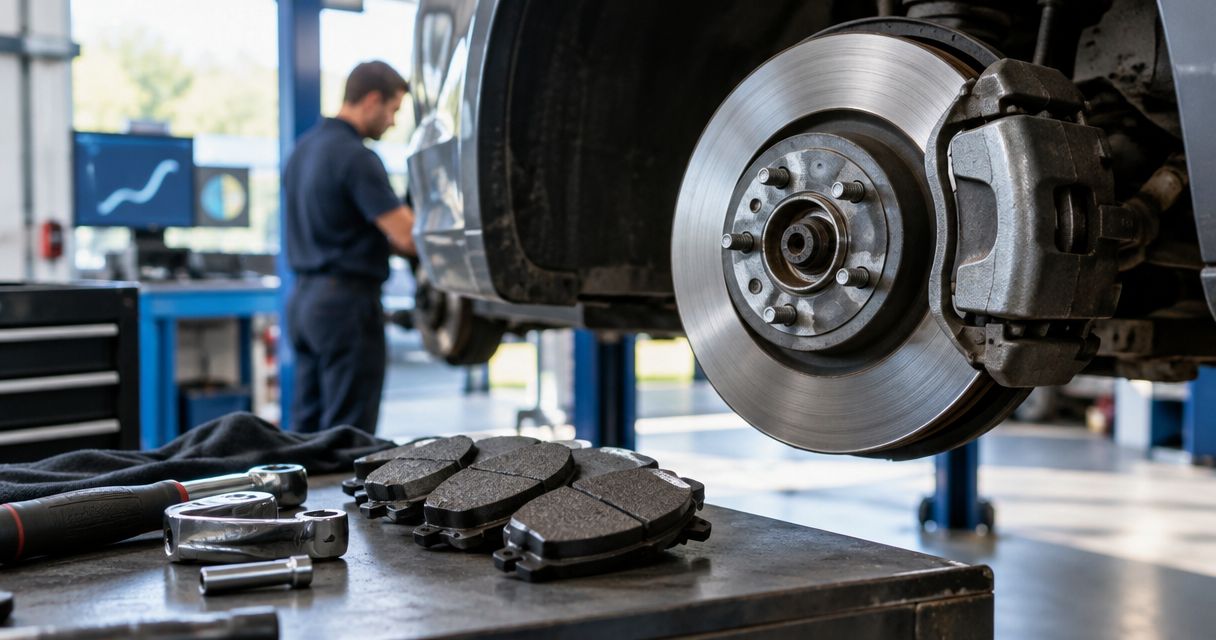
The old pads can reveal more than the new box. Ask the mechanic to explain whether the removed pads wore evenly and what any uneven wear means for the repair.
For your 2026 brake job, make that explanation part of the decision. The right pad matters; finding out why the last set wore out matters just as much.